Why Building Orientation Is the Most Underrated Decision in Pakistani Design
Apr 15, 2026
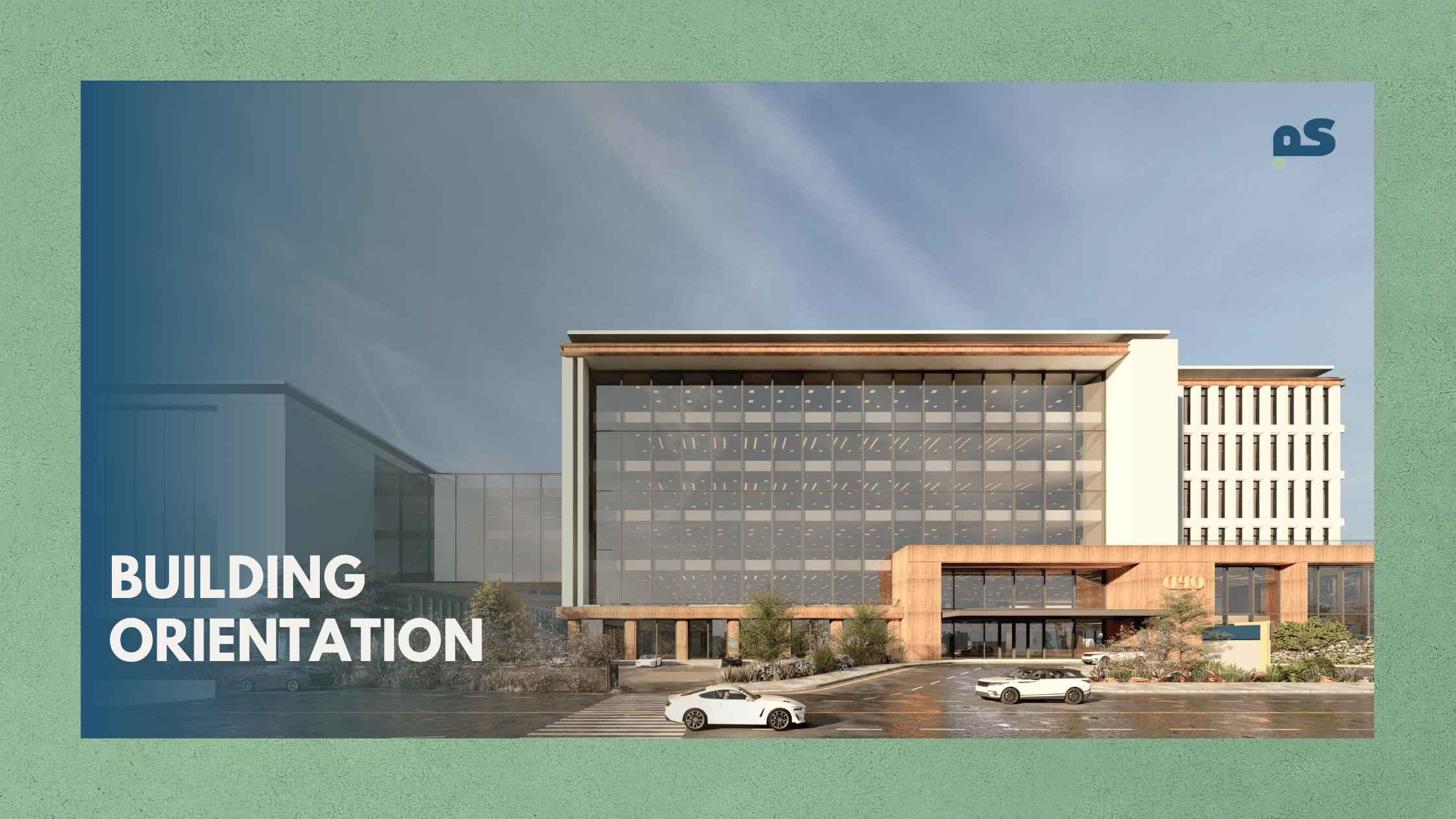
There is a decision that shapes every day you will spend inside your home — and most homeowners in Pakistan never discuss it with their architect. That decision is building orientation: which direction your home faces, where its windows open, and how sunlight and wind move through every room across every season.
In a country where summer temperatures regularly exceed 45°C in Punjab and Sindh, and where electricity costs continue to rise year over year, orientation is not a theoretical design exercise. It is one of the most practical, cost-saving decisions you will make during the entire construction process.
Yet in our experience across 700+ projects at Saud & Architects, the conversation about orientation rarely happens early enough — and sometimes it does not happen at all.
What Orientation Actually Controls
When we talk about building orientation, we are talking about the relationship between your home and three natural forces: sunlight, wind, and seasonal temperature variation.
A home oriented thoughtfully along the east-west axis in Lahore, for example, will receive gentle morning sunlight through its primary living spaces while keeping the harsh afternoon western sun off its largest glass surfaces. This single decision can reduce internal heat gain by a significant margin — which directly translates to lower air conditioning loads and reduced electricity bills.
Wind works the same way. Lahore's prevailing breeze direction during summer months comes from the southeast. If your floor plan places operable windows and living spaces to catch that breeze, cross-ventilation happens naturally. You use your air conditioning less, and the home still feels comfortable during the transitional months of March, April, October, and November when mechanical cooling should not be necessary.
These are not small improvements. In our residential projects, clients who followed our orientation recommendations have reported noticeably lower cooling costs compared to neighbouring properties of similar size that were oriented based solely on plot access or street frontage.
The Common Mistake: Designing for the Street, Not the Sun
In most Pakistani residential colonies — whether in DHA Lahore, Bahria Town Islamabad, or Clifton Karachi — plot orientation is fixed. You get a north-facing plot or a west-facing one, and that is what you work with.
The mistake happens when architects treat street frontage as the only driver of the floor plan. The main living room goes at the front because it faces the road. The kitchen goes at the back because it is a service area. Bedrooms fill in wherever they fit.
This approach ignores the most important factor: where the sun will be at 7 AM, 12 PM, and 4 PM, and how that changes between June and December.
A skilled architect will adapt the internal layout to the plot's solar exposure, even when the plot orientation is fixed. West-facing plots, for example, need buffer zones on the western facade — utility rooms, staircases, storage, or thick-walled bathrooms that absorb afternoon heat before it reaches living spaces. East-facing plots can afford generous glazing on the primary facade because morning sun is welcome, not punishing.
At Saud & Architects, sun path analysis is one of the first exercises we perform on any residential project, before a single wall is drawn in plan.
Wind: The Forgotten Element
Orientation is not only about sunlight. Natural ventilation remains one of the most underutilised design strategies in Pakistani residential architecture.
The cost of running air conditioning units 16-18 hours a day during a Lahore summer is substantial. Yet many homes are designed with windows that do not align with prevailing wind patterns, corridors that block airflow, and room depths that prevent cross-ventilation from working effectively.
When we position rooms and openings to work with natural wind direction, something practical happens: the home becomes comfortable with windows open for more months of the year. Air conditioning becomes a supplement during peak heat, rather than a necessity from March through October.
This is not about sacrificing modern comfort. It is about designing the building envelope to do as much work as possible before mechanical systems take over.
Thermal Mass and Material Choices Follow Orientation
Once orientation is set correctly, material decisions become far more effective. A south-facing wall in Pakistan receives consistent but manageable sun exposure, so it can afford lighter construction. A west-facing wall receives the most intense solar radiation, so it benefits from higher thermal mass — thicker brick, insulated cavity walls, or shading devices like deep overhangs and perforated screens.
These choices compound. Correct orientation with appropriate materials and shading can reduce a home's overall cooling energy demand meaningfully. In a country where energy costs trend upward every year, this is not a luxury consideration — it is financial planning built into the architecture itself.
What to Ask Your Architect
If you are planning a residential project anywhere in Pakistan, here are the questions worth raising before design begins:
What is the sun path for this specific plot location, and how does it change seasonally? Where do prevailing winds come from during summer and winter months? Which rooms should receive morning light, and which should be shielded from afternoon exposure? How will the floor plan adapt to this plot's fixed orientation? What shading strategies are appropriate for the most exposed facades?
These questions cost nothing to ask. The answers can save significant money over the lifetime of your home.
How We Approach It at Saud & Architects
Every residential project we take on — whether a single family home or a multi-unit development like our Lumina B-17 project — begins with site analysis before design. We study the plot's solar exposure, wind patterns, surrounding context, and microclimate conditions.
This is not additional effort. It is foundational to how we work. Architecture that ignores its environment produces buildings that fight against nature rather than working with it. And buildings that fight nature cost more to live in, every single month.
If you are planning a home, a residential development, or any building project in Pakistan, we offer free initial consultations to discuss your site, your goals, and how design decisions made in the first week can save money for the next thirty years.
Book a free consultation: saudarchitects.com/contact
Saud & Architects is a Pakistan-based architecture and engineering firm with 44+ years of group legacy under the Bin Saud Group. We specialise in residential, commercial, and healthcare architecture across Lahore, Karachi, Islamabad, and Murree.