DAMAC’s Visit to Pakistan: What It Signals for the Future of Real Estate, Design, and Development
Jan 19, 2026
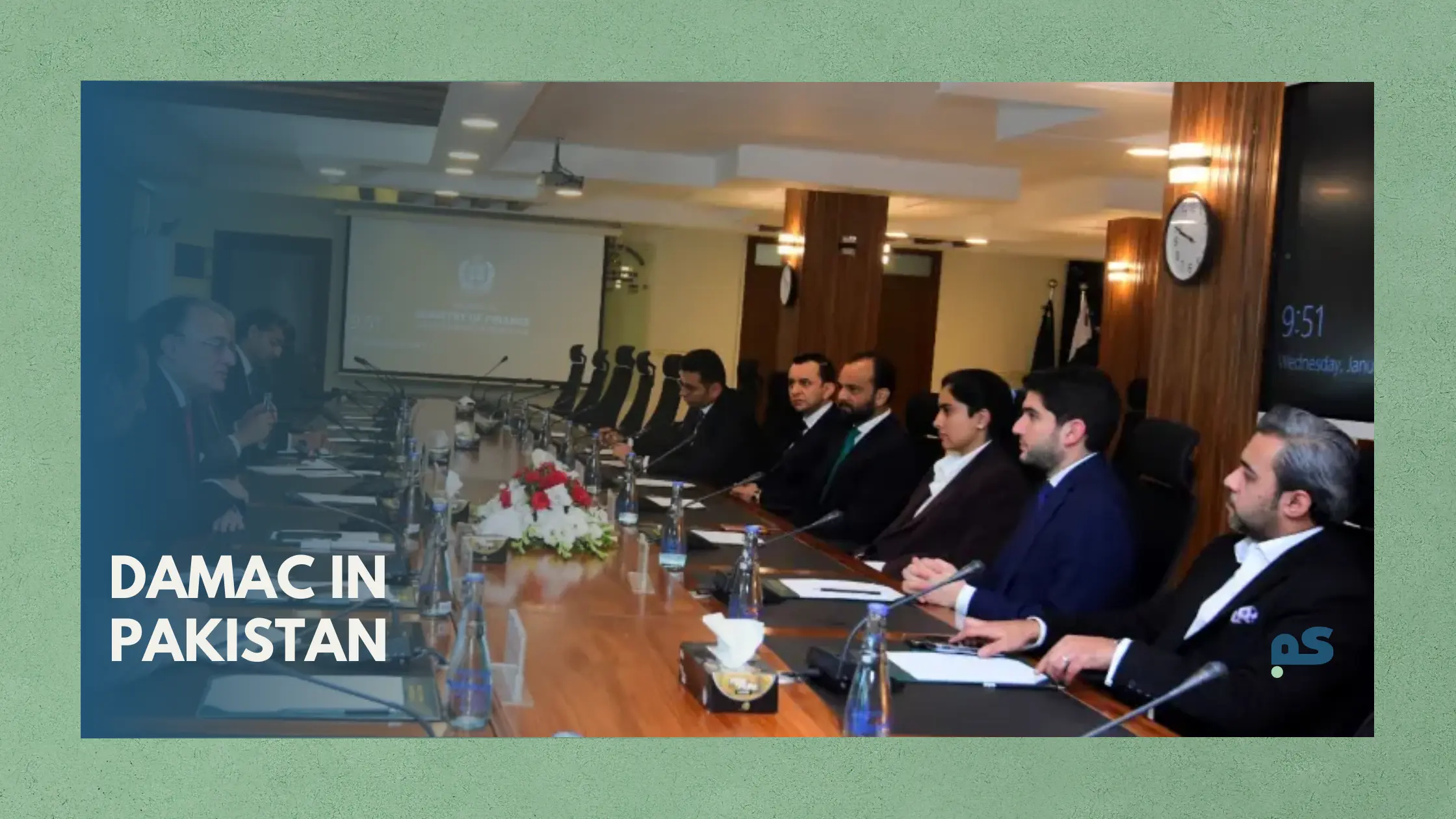
In early January 2026, a senior delegation from DAMAC Group, led by Amira Hussain Sajwani and Ali Hussain Sajwani, visited Pakistan and met with key government stakeholders. Predictably, the visit generated considerable interest across real estate and development circles, with many people wondering whether this marked the immediate entry of DAMAC into Pakistan’s luxury property market.
From what has been publicly shared, however, the purpose of the visit was not to announce construction projects or unveil residential developments. Instead, the discussions centered on innovation, digital infrastructure, financial technology, and broader investment collaboration, particularly around areas such as asset tokenisation, blockchain, AI, PropTech, and Pakistan’s growing technology ecosystem.
This distinction is important, especially in a market where speculation can quickly outpace facts.
What the Visit Indicates
For those of us working closely with the built environment, this visit is still significant, even without a project announcement.
International developers of DAMAC’s scale rarely enter new markets by leading with buildings. They begin by understanding systems: regulatory frameworks, financial instruments, governance models, and the availability of professional and technical talent. The meetings with Pakistan’s Finance and IT leadership suggest that DAMAC was assessing precisely these foundations.
The emphasis on digital infrastructure and real-world asset tokenisation is particularly telling. It reflects a global shift in how real estate is planned, financed, and managed, one that increasingly blends physical development with technology, transparency, and long-term asset performance.
Equally noteworthy was the recognition of Pakistan’s talent pool. Conversations around outsourcing and collaboration point to confidence in local professional capacity, which is a prerequisite for any serious future engagement in development, design, or construction.
What's Next
From an architectural and development perspective, the real takeaway is not whether a luxury project is announced tomorrow, but what this kind of engagement could mean over time.
If international developers do choose to enter Pakistan in the future, it will likely bring higher expectations, not just in terms of aesthetics, but in planning discipline, technical coordination, compliance, and lifecycle thinking. Projects of this nature demand integrated architecture and engineering, a strong understanding of local regulations, and design approaches that are both globally informed and contextually grounded.
For local professionals, this represents opportunity as much as challenge. Global players depend heavily on local architects, engineers, and consultants who can translate international standards into buildable, compliant realities on the ground. Pakistan already has this capability, provided it continues to invest in professional rigor and collaborative delivery models.
At the same time, it is important to remain measured. No formal real estate developments have been announced, and it would be premature to draw conclusions about timelines or project specifics. Responsible interpretation matters, especially when markets are watching closely.
DAMAC’s visit should be seen as a signal of interest in Pakistan’s future, particularly its innovation and investment potential, rather than a commitment to immediate construction activity. For the industry, the more productive response is not speculation, but preparation: strengthening standards, improving coordination, and focusing on long-term value creation.
If and when global developers formally enter the market, it will not be headlines that determine success, but the quality of systems, partnerships, and professional execution behind the scenes.