Healthcare Architects in Pakistan: Saud & Architects’ Approach to Medical Design
Jan 5, 2026
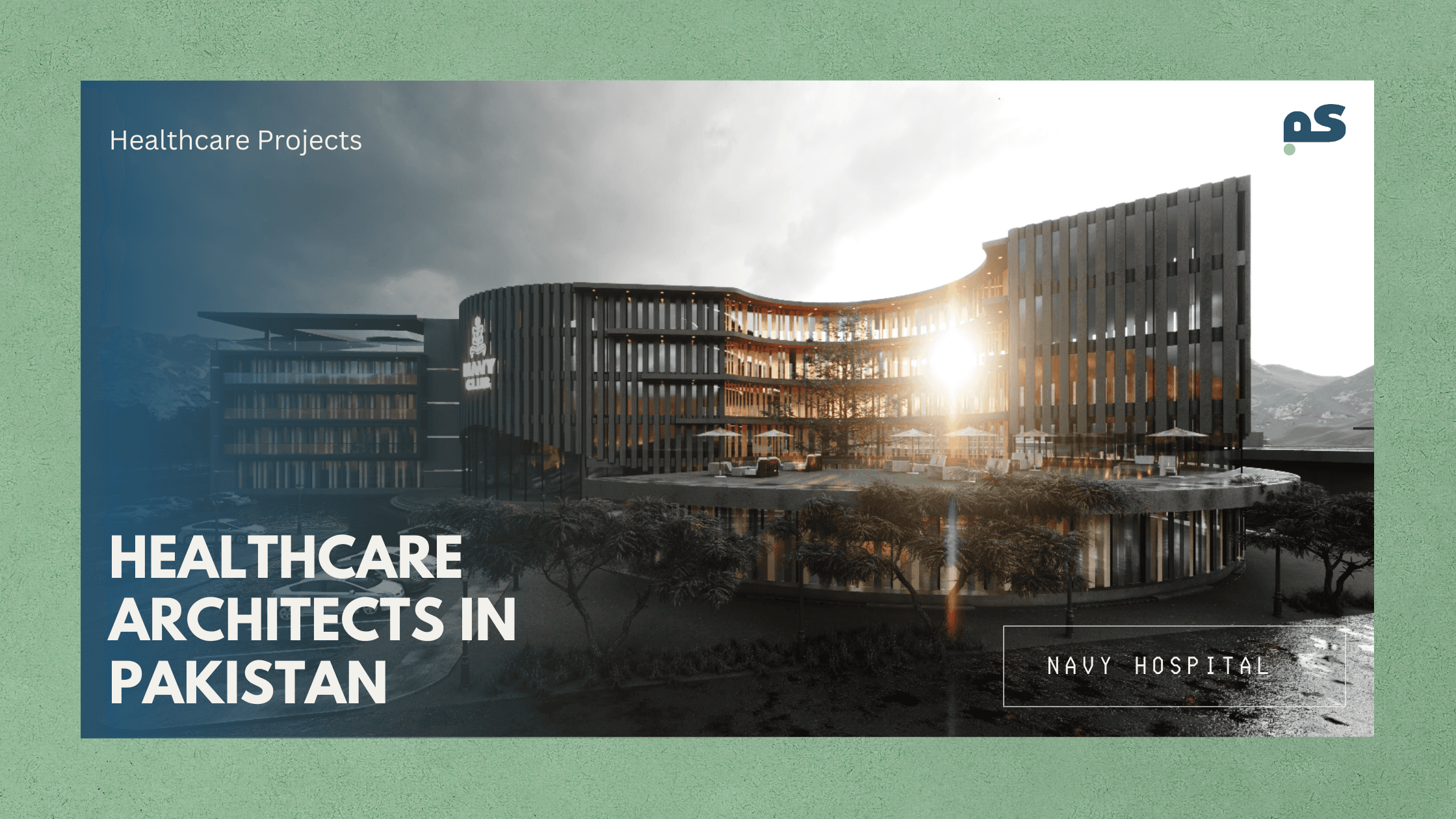
Designing healthcare facilities requires a deep understanding of clinical workflows, patient safety, regulatory compliance, and long-term operational efficiency. In Pakistan, where hospitals must serve high patient volumes under complex conditions, architectural planning plays a critical role in healthcare delivery.
Saud & Architects is an architecture firm with decades of experience in healthcare projects across Pakistan. Their work spans maternity hospitals, rehabilitation centers, teaching hospitals, and large-scale public healthcare facilities, developed for both government and private-sector clients.
This article outlines their healthcare expertise, design methodology, and relevant hospital projects providing insight into why they are frequently considered among experienced healthcare and hospital architects in Pakistan.
Understanding the Complexity of Hospital Architecture
Hospital architecture differs significantly from other building types. A successful hospital must address:
Patient and staff circulation
Infection control and hygiene zoning
Emergency access and segregation
Mechanical, electrical, and public health systems
Future expansion and adaptability
Patient comfort and mental well-being
Saud & Architects approaches hospital design as a technical and operational discipline, not a purely aesthetic exercise. Their healthcare projects prioritize efficiency, clarity of movement, and long-term usability.
Integrated Healthcare Design Capabilities
One of the defining aspects of Saud & Architects’ hospital work is their integrated design model. Through collaboration with Varow International, healthcare projects are designed with architecture, interiors, and MEP systems developed in parallel.
Core Healthcare Services Include:
Hospital master planning
Architecture and interior design
Medical planning coordination
HVAC, electrical, and public health engineering
BIM-based coordination for healthcare facilities
This integration reduces on-site conflicts and supports smoother project execution—particularly important for hospitals with complex system requirements.
Experience Across Diverse Healthcare Facilities in Pakistan
Saud & Architects’ healthcare portfolio reflects experience across different hospital typologies, locations, and scales.
Chohan Hospital, Lahore
A 100-bed gynecology and maternity hospital located on Jail Road, Lahore.
The project includes inpatient and outpatient services, IVF facilities, diagnostics, and support areas within a compact urban site. Design decisions focused on vertical circulation efficiency, privacy, and patient comfort.
Karachi Institute of Neurological Diseases & Rehabilitation (KINDR)
This rehabilitation hospital combines renovation of an existing structure with a newly constructed OPD block.
Key design considerations included accessibility, therapy-focused layouts, natural light, and safe internal movement for patients with physical disabilities.
Design Principles Applied to Healthcare Projects
Across these hospitals, Saud & Architects applies consistent healthcare-focused principles:
Clear separation of clean and dirty zones
Logical departmental adjacencies
Controlled access for sensitive areas
Emphasis on daylight and ventilation
Planning that supports staff efficiency
Cost-conscious operational design
These principles are particularly relevant in Pakistan, where hospitals must balance performance, durability, and operational cost control.
Engineering and MEP Planning for Hospitals
Healthcare facilities depend heavily on mechanical and public health systems. Through Varow International, Saud & Architects provides coordinated MEP design for hospitals, including:
HVAC systems designed for infection control
Electrical and emergency power planning
Medical gas systems
Fire protection and safety systems
Public health and sanitation infrastructure
Early coordination between architecture and engineering improves reliability and long-term performance.
Positioning in Pakistan’s Healthcare Architecture Sector
Rather than focusing on branding claims, Saud & Architects’ position in the healthcare sector is built on:
Repeated hospital commissions
Long-term public-sector projects
Experience with large bed-capacity facilities
Integrated design and engineering delivery
Their work demonstrates the practical experience expected from established hospital architects in Pakistan, particularly for complex and large-scale healthcare developments.
Conclusion
Healthcare architecture requires technical expertise, regulatory understanding, and practical experience. Saud & Architects’ hospital portfolio reflects sustained involvement in Pakistan’s healthcare infrastructure across maternity hospitals, rehabilitation centers, teaching hospitals, and institutional facilities.
For organizations seeking experienced healthcare and hospital architects in Pakistan, their work offers a clear example of design grounded in function, coordination, and long-term operational thinking.